
Joey Porter Jr. Trade: What Dallas Gets and Why Pittsburgh Moved On
Author
Writer

Table of Contents
Table of Contents
The Joey Porter Jr. trade gives the Dallas Cowboys something they clearly needed: another proven outside cornerback for a defense that has stumbled through the opening weeks of the 2026 season.
Dallas agreed to acquire Porter from the Pittsburgh Steelers, sending a 2027 sixth-round pick and a 2028 second-round pick to Pittsburgh. The Cowboys confirmed the deal after NFL Network reported the terms. Dallas Cowboys+1
For Dallas, this is not a depth move.
Porter is 26, has started 41 NFL games, and spent the past three seasons as one of Pittsburgh’s regular starters on the outside. For Pittsburgh, the trade ends a contract standoff that had stretched through the offseason and into a season in which Porter had yet to play a snap. NFL
The price is meaningful, particularly the future second-round pick.
So the real question is not whether Dallas added talent.
It is whether the Cowboys added the right player at the right moment — and whether they can keep him beyond the final year of his rookie contract.
What the Cowboys gave up for Joey Porter Jr.
The trade terms are straightforward.
Cowboys receive:
- CB Joey Porter Jr.
Steelers receive:
- 2027 sixth-round pick
- 2028 second-round pick
Dallas’ official site confirmed the compensation, matching the terms reported by NFL Network. Dallas Cowboys+1
The second-round pick is the important part.
A future second is valuable enough that Dallas is clearly expecting Porter to become more than a temporary injury replacement. The Cowboys are paying for a player they believe can strengthen the defense now while still being young enough to remain part of the roster for years if the contract situation eventually gets resolved.
Porter is entering the final season of the rookie deal he signed after Pittsburgh selected him with the No. 32 overall pick in the 2023 NFL Draft. NFL
That makes this both a football trade and, eventually, a financial decision.
Why Dallas wanted another cornerback
The timing makes sense when you look at what has happened to the Cowboys’ defense.
Dallas is 1-2, and NFL.com lists the Cowboys’ defense 30th in total defense entering Week 4. The unit also had not recorded an interception through the first three games. NFL
There are injury concerns in the secondary as well.
Cowboys cornerbacks Cobie Durant and Shavon Revel Jr. have both appeared on the injury report, with Durant dealing with a hamstring issue and Revel listed with knee and ankle injuries. Dallas Cowboys
Dallas owner and general manager Jerry Jones had already been signaling that the team was looking for defensive help.
After the Cowboys’ Week 3 loss to Baltimore, Jones said Dallas was actively monitoring the trade market and having conversations about potential additions. Two days later, those conversations produced Porter. Dallas Cowboys
That makes this trade feel less like an opportunistic pickup and more like a response to an early problem the Cowboys did not want to wait around to solve.
What Joey Porter Jr. brings to the Cowboys
Porter gives Dallas size and experience on the outside.
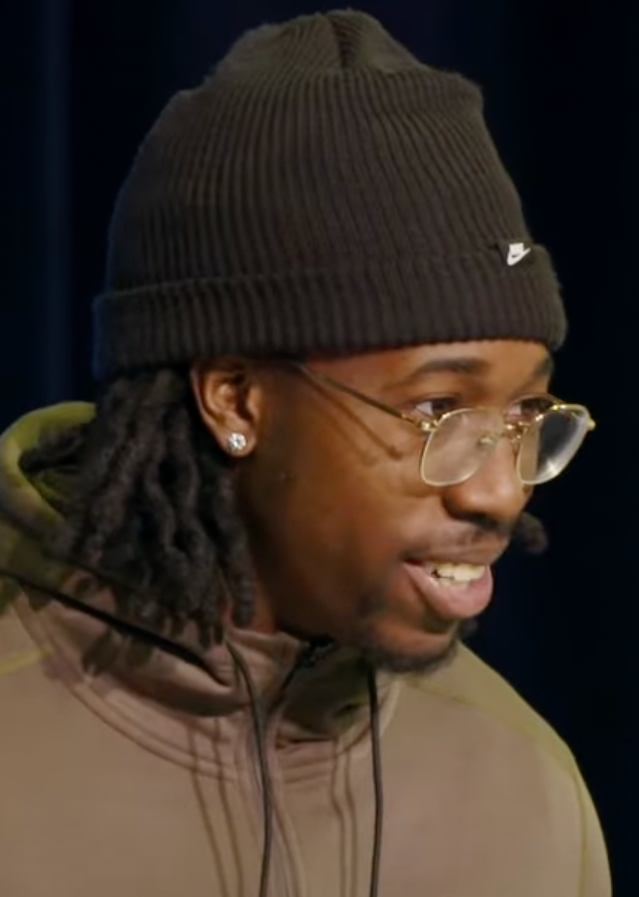
NFL.com lists him at 6-foot-2 and 193 pounds, and he has already appeared in 47 NFL games with 41 starts. Across three seasons in Pittsburgh, he recorded 165 tackles, 31 pass breakups and three interceptions. Dallas Cowboys+1
That profile fits what the Cowboys appear to want under first-year defensive coordinator Christian Parker.
Dallas’ own analysis noted that Parker has previously worked with long, physical corners such as Pat Surtain II and Quinyon Mitchell. Porter is not those players, and it would be unfair to assume Parker will automatically produce the same results with him, but the physical template is familiar. Dallas Cowboys
The Cowboys are not acquiring a developmental prospect who needs to learn how to survive against NFL receivers.
They are acquiring a starter who has already spent three seasons doing it.
The 2025 numbers that explain Dallas’ interest
Porter’s most recent full season gives a clearer picture of why Dallas was willing to spend meaningful draft capital.
According to Next Gen Stats data cited by the Cowboys, Porter allowed:
35 receptions on 66 targets for 412 yards in 2025.
He did not allow a touchdown, recorded an interception, and opposing quarterbacks produced a 66 passer rating when targeting him.
Opposing offenses also averaged minus-0.07 EPA per target when throwing in his direction. Dallas Cowboys
Those numbers do not make him flawless.
NFL.com notes that Porter has been solid in coverage while experiencing some problems against the run. NFL
But Dallas did not trade a second-round pick because it needed another corner who could simply survive.
The Cowboys appear to believe Porter can make opposing quarterbacks think twice before repeatedly attacking one side of the field.
For a secondary that entered Week 4 without an interception, that is an appealing possibility.
Why the Steelers traded Joey Porter Jr.
This trade did not begin with Pittsburgh suddenly deciding it no longer liked Porter as a player.
The relationship had become complicated by his contract.
Porter was seeking a long-term extension during the offseason, but the two sides did not reach an agreement before Pittsburgh’s self-imposed deadline for in-season negotiations. Steelers general manager Omar Khan had made clear that the organization would not continue negotiating once the season started. NFL
Porter had also missed the Steelers’ first three games of 2026.
A persistent back issue kept him out through training camp, and he spent much of that period on the physically unable to perform list before being activated ahead of the regular season. NFL+1
By late September, Porter publicly said he had moved on from the failed contract negotiations and was concentrating on getting healthy. He also said he had not requested a trade. NFL
Less than a week later, Pittsburgh moved him anyway.
From the Steelers’ perspective, the choice was likely becoming increasingly practical: keep a player in the final year of his deal amid unresolved contract and availability questions, or turn him into future draft capital.
They chose the picks.
The contract question is not going away
Dallas acquired Porter.
It did not acquire a long-term contract with Porter.
That distinction matters.
He is still entering the last season of his rookie agreement, and the same contract issue that helped create uncertainty in Pittsburgh now follows him to Dallas. The Cowboys’ official announcement said it remains to be seen whether the team and Porter eventually agree to an extension. Dallas Cowboys
There has been no official announcement of a new long-term deal.
That means Dallas has effectively made two bets.
The first is that Porter can improve the 2026 defense.
The second is that giving up a future second-round pick will still make sense even if his next contract becomes expensive.
Those questions do not have to be answered today.
They will eventually have to be answered.
Porter’s injury and conditioning status needs context
One part of the trade deserves careful wording because it can easily become confusing.
Porter has not played in 2026.
His back injury sidelined him throughout training camp and the opening weeks of the season. More recently, however, he had returned to practice and was listed as a full or limited participant because of conditioning.
Before the trade, Pittsburgh had ruled him out of Thursday night’s game against Cleveland with a designation listed as not injury related/conditioning/back. Dallas Cowboys+1
That does not tell us exactly how ready he is to play for Dallas.
It tells us why the Cowboys are not committing to an immediate debut.
Dallas said Porter’s arrival time and the team’s own evaluation of his physical condition will determine how quickly he gets onto the field. Dallas Cowboys
That is a better way to frame the situation than assuming either that he is fully healthy or that he is still unavailable.
The Cowboys now get to make that assessment themselves.
How he fits next to DaRon Bland
The easiest version of the Cowboys’ plan is also the most interesting.
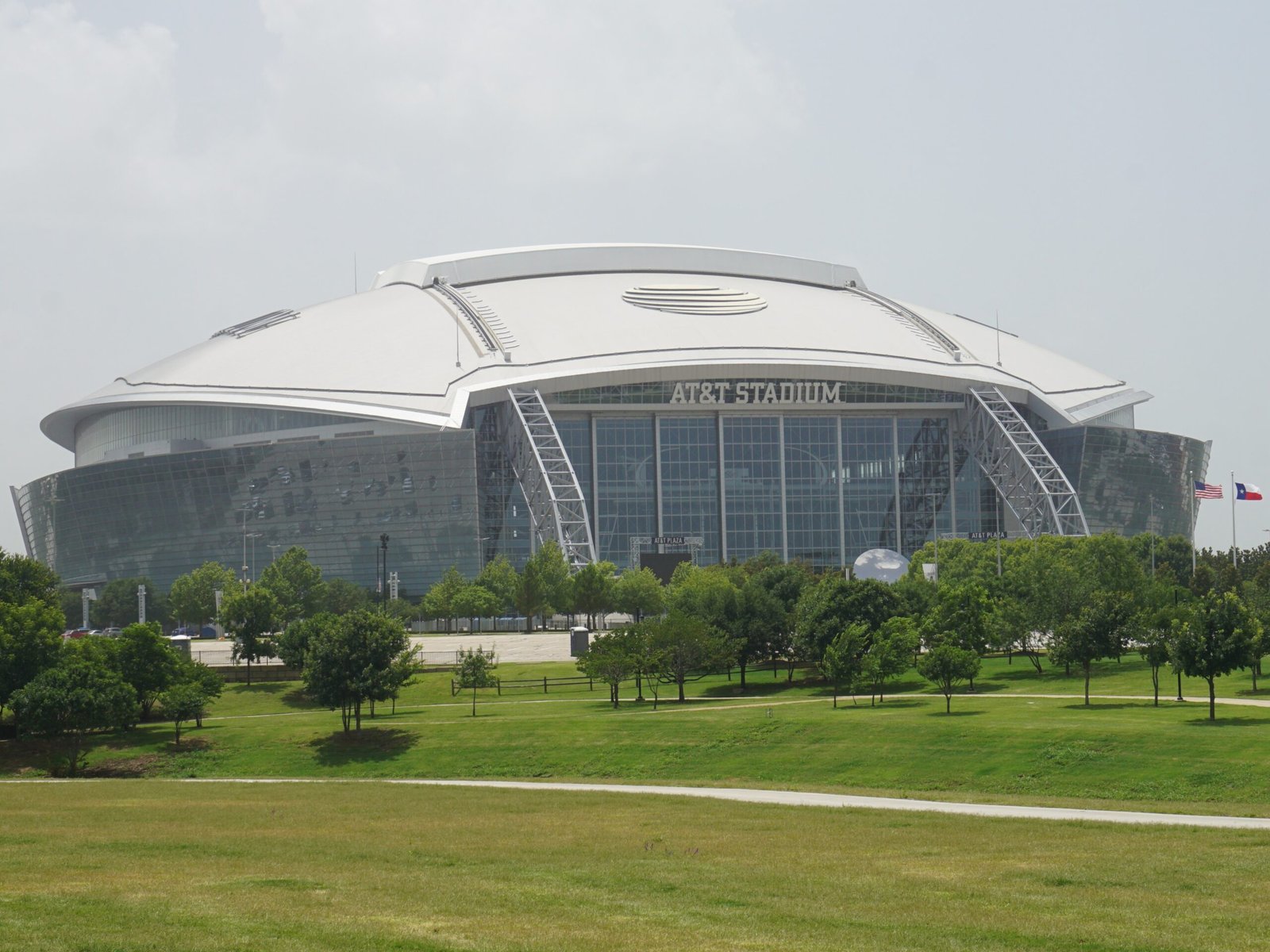
DaRon Bland already holds one cornerback spot.
Porter gives Dallas another experienced outside option who can potentially handle difficult matchups and reduce the amount of help the defense has to dedicate to the perimeter. NFL.com notes that Durant and Revel have both started this season, but both were dealing with injuries this week. NFL
If Porter gets healthy and settles into the system, Dallas suddenly has much more flexibility.
That could mean different matchup assignments.
It could mean more confidence in man coverage.
It could also allow Parker to be more aggressive elsewhere because he is less worried about protecting a vulnerable corner.
Those are schematic possibilities rather than guarantees, but they explain why adding a starting-caliber corner can influence much more than one position.
Why this trade matters for Dallas right now
The Cowboys did not make this move from a position of comfort.
They lost 34-31 to Baltimore in Week 3, giving up 378 total yards, including 192 on the ground. Dallas defensive tackle Kenny Clark acknowledged afterward that the defense needed more consistency. Dallas Cowboys
Cornerback help does not solve run defense.
Porter cannot fix every problem on the unit.
But that is also why this trade is interesting.
Dallas did not wait for one obvious weakness to become catastrophic before adding talent. The organization had been talking about acquiring an impact defender, and Porter became the opportunity that actually materialized.
The Cowboys have invested too much in this season to treat a 1-2 start as something that will automatically correct itself.
Porter is evidence that the front office does not intend to.
When could Joey Porter Jr. make his Cowboys debut?
Dallas plays the Houston Texans on Sunday, October 4.
The Cowboys have not guaranteed Porter will play.
Their official position is that his availability will depend on when he arrives, how he looks physically, and how quickly the team believes it can get him ready. Dallas Cowboys
There has been outside reporting that a Week 4 debut is possible, but at this stage it should be treated as a possibility rather than a confirmed plan. NFLTradeRumors.co
If Porter does not play against Houston, Dallas has a short turnaround afterward with Tampa Bay scheduled for October 8, so his first realistic opportunity should not be far away if the physical evaluation goes well. NFL.com confirms both games on the Cowboys’ upcoming schedule. NFL
What Pittsburgh gets from the deal
Pittsburgh does not get immediate help for its secondary in this trade.
It gets flexibility.
A 2028 second-round pick gives the Steelers a potentially valuable future asset, while the 2027 sixth adds another selection.
Whether that becomes a good return will depend on several things nobody can know yet: where the Cowboys finish in 2027, how Pittsburgh uses the pick, what Porter does in Dallas, and whether he signs a long-term extension.
The Steelers are also moving on before Porter reaches unrestricted free agency.
That removes the uncertainty around whether they would eventually lose him after the season without securing comparable trade value beforehand.
For Pittsburgh fans, there is an emotional layer too.
Porter’s father, Joey Porter Sr., was a four-time Pro Bowler and Super Bowl champion during his Steelers career from 1999 through 2011. Porter Jr. arriving in Pittsburgh therefore carried more history than the average second-round draft pick. NFL
That story is now ending much earlier than many people expected.
My view
The most interesting part of the Joey Porter Jr. trade is that both teams are accepting a different kind of risk.
Dallas is accepting future risk.
A 2028 second-round pick is a real asset, Porter needs a new contract eventually, and he has not played this season. The Cowboys are betting that the player they saw over his first three seasons is more important than those uncertainties.
Pittsburgh is accepting immediate risk.
The Steelers are moving a 26-year-old corner with starting experience and strong recent coverage numbers without receiving a player who can replace him today.
That is why I would resist reducing this trade to a winner and loser hours after it happened.
The short-term logic clearly favors Dallas: the Cowboys needed defensive help and acquired an established young starter.
The long-term judgment depends on information we do not have yet.
Can Porter stay healthy?
How quickly does he fit Christian Parker’s defense?
Does Dallas extend him?
And what does Pittsburgh eventually turn that second-round pick into?
Those questions will decide whether this trade looks aggressive, expensive or somewhere in between.
Conclusion
The Joey Porter Jr. trade gives the Dallas Cowboys exactly what they had been looking for: a young, proven defensive starter who can strengthen a struggling secondary immediately.
Dallas is sending Pittsburgh a 2027 sixth-round pick and a 2028 second-round pick for the 26-year-old cornerback. Porter leaves the Steelers after three seasons, 41 starts, 165 tackles, 31 pass breakups and three interceptions. Dallas Cowboys+1
The move also comes with unanswered questions.
Porter has not played this season because of the back and conditioning situation. He still needs a new contract after 2026. And Dallas has surrendered a potentially valuable future second-round selection to get him.
But the motivation is easy to understand.
The Cowboys are 1-2, their defense has struggled, injuries have hit the cornerback room, and the front office had already said it was looking for help.
Now it has some.
The next part is seeing how quickly Joey Porter Jr. can get onto the field — and whether the Cowboys can turn a bold October trade into something that matters beyond October.
Reporting and official information referenced in this article: Dallas Cowboys — Cowboys trading for Steelers CB Joey Porter Jr. and NFL.com — Steelers trade Joey Porter Jr. to Cowboys for second- and sixth-round picks. Additional context came from NFL.com reporting on Porter’s contract and health situation. Dallas Cowboys+2